| Table of Content |
|---|
| 1. A Vision for Creative Community |
| 2. Choosing an Architect |
| 3. Breathing New Life Into The Navy Yard |
| 4. Events That Defined the Space |
| 5. A Legacy That Lives On |
| 6. Venue at a Glance |
The Duggal Greenhouse is a 35,000-square-foot raw event venue on the Brooklyn waterfront, located inside the historic Brooklyn Navy Yard. Today it hosts everything from globally televised fashion shows to Fortune 500 product launches—but its origin story begins with a single founder’s vision.
Every great space begins with a vision—one bold enough to see possibility. The Duggal Greenhouse, now one of Brooklyn’s most iconic creative and event destinations, is the product of exactly that kind of vision. Its story is rooted in innovation, community, and a belief that creativity thrives when it’s given room to grow.
In 2009, Duggal founder Baldev Duggal felt compelled to create something beyond visual production—a way to give back to the city that had fueled his imagination. He envisioned an event space that wasn’t just functional, but one of the most intentionally thoughtful and flexible in New York.
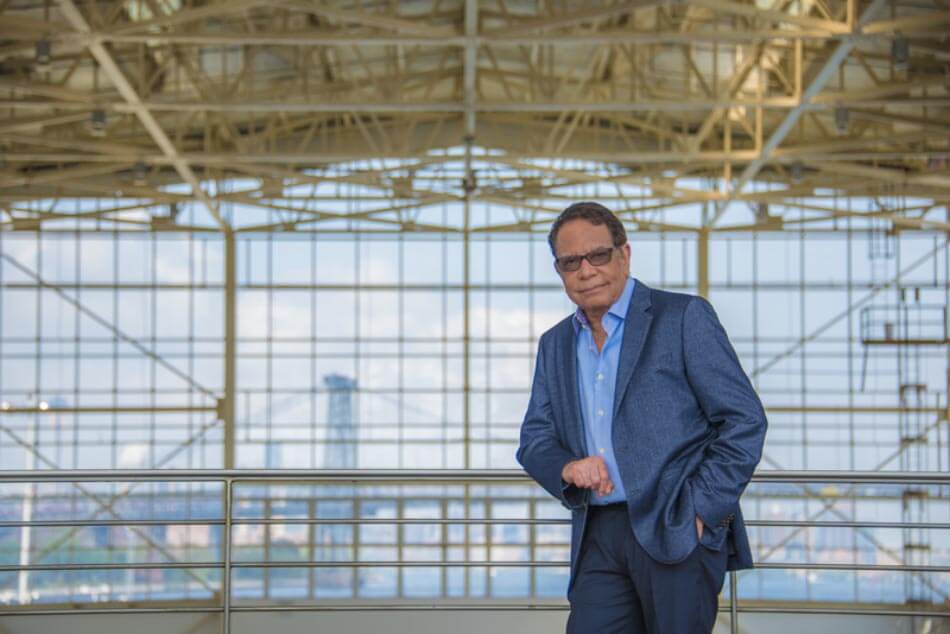 That vision became Duggal Greenhouse. When Baldev first stepped into the abandoned World War II ship assembly building in the Brooklyn Navy Yard, he didn’t see the dilapidated shell; he saw potential. He imagined a creative incubator where ideas, innovation, and artistry could thrive.
It wasn’t simply about building a venue. It was about creating a place where brands, designers, and technologists could gather under one expansive roof to push boundaries and shape what comes next in culture.
The choice of architect for this project is rooted in a lifelong connection to Duggal’s craft, precision, and innovation. Growing up in a Chelsea loft in the late 80s, Gregory Okshteyn watched the original New York Flatiron Duggal storefront evolve from a modest 25-foot shop into a creative powerhouse. In those early years, his father, renowned artist Shimon Oksteyn—whose work now lives in the Whitney Museum’s collection—relied on Baldev and the Duggal team to reproduce prints for him, consistently impressed by the exceptional quality of their work.
Gregory witnessed these collaborations firsthand, and the experience shaped his own sense of excellence. When he eventually met Baldev, their partnership felt less like a new connection and more like a continuation of a shared language of artistry and ambition that had begun decades earlier across the street from his childhood home.
The transformation of the Greenhouse was nothing short of monumental. Working with Gregory Okshteyn of Studios GO, Duggal led a multi-million dollar retrofit that preserved the building’s industrial bones while infusing it with cutting-edge sustainability through eco-friendly building materials and modern design. The project secured a sustainability-focused grant in recognition of its commitment to adaptive reuse and environmentally responsible innovation.
According to Gregory, the structure was not in great shape, making restoration a key focus of the project. Baldev encouraged bold creativity while emphasizing the importance of maintaining an open, flexible layout. “We looked at lots of outrageous ideas and were really trying to push what was possible,” said Gregory.
As those ideas evolved, the team reached a major milestone: earning approval from the New York Design Commission. Because the Greenhouse sits on the waterfront, the project required rigorous review. Gaining approval validated that this bold vision met the city’s highest standards for public-facing architecture and responsible shoreline development.
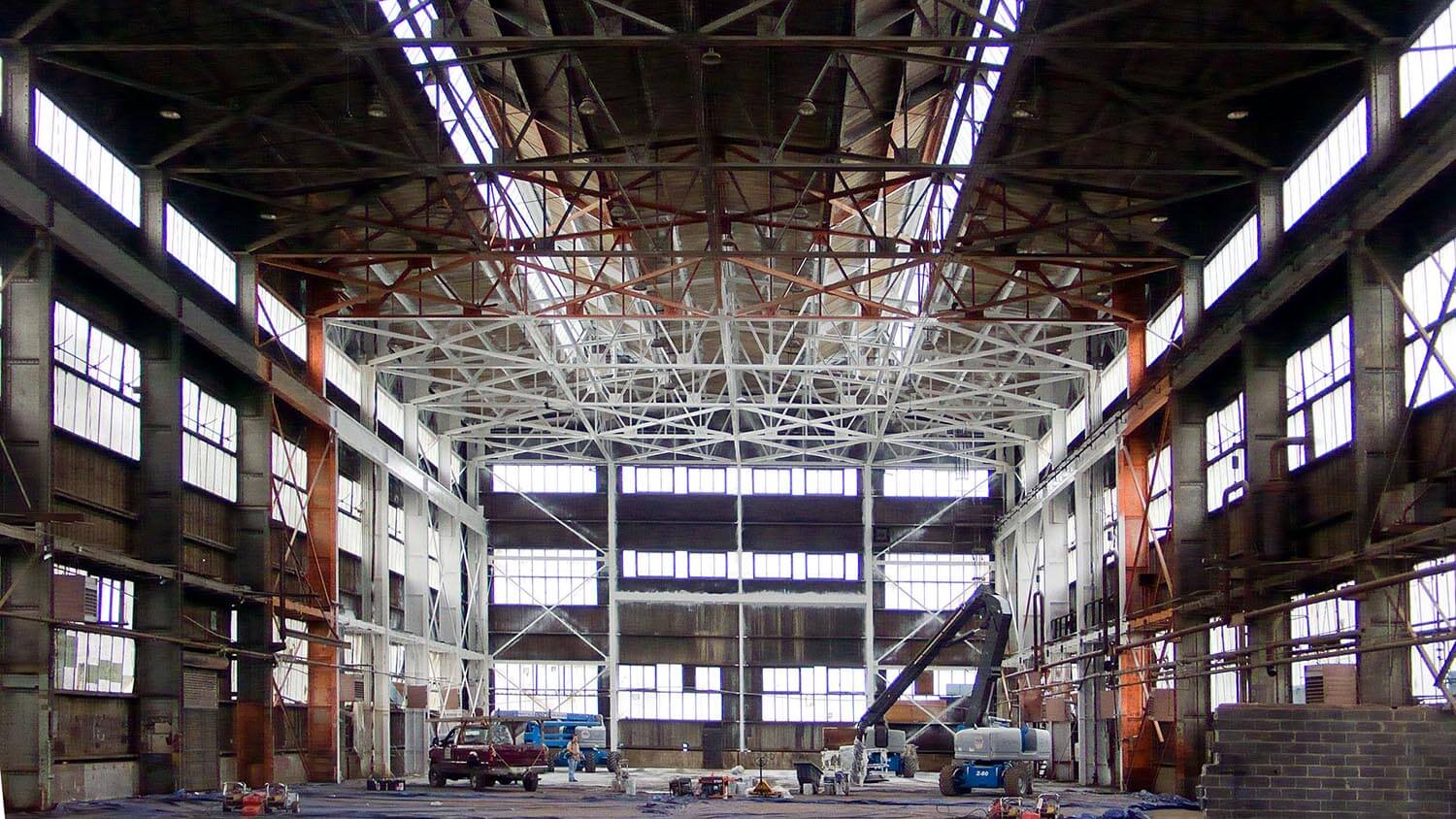

What had once been a deserted wartime relic became a 35,000-square-foot hub of innovation. Floor-to-ceiling glass walls dissolved the boundary between inside and out, turning the Manhattan skyline into a living billboard—an ever-shifting backdrop of light, color, and weather.
This panoramic glass façade became a stage capable of supporting any lighting or graphic vision, connecting every event directly to the pulse of the city. Gregory explained, “the goal was to convey the strategic design by unlocking the flexibility of the space. Baldev wanted this to be the coolest event space in the city.” He added, “we really thought about absolutely everything—from staging opportunities to how many bathrooms were needed.”
A private waterfront boat dock restored the building’s historic relationship to the river, creating an arrival experience found nowhere else in New York. Guests could step off a boat and directly into the space, transforming a simple entrance into a red-carpet moment. Inside, the building opened into a flexible, light-filled canvas ready to support any creative, technical, or experiential need.
And ‘anything’ is exactly what it hosted.
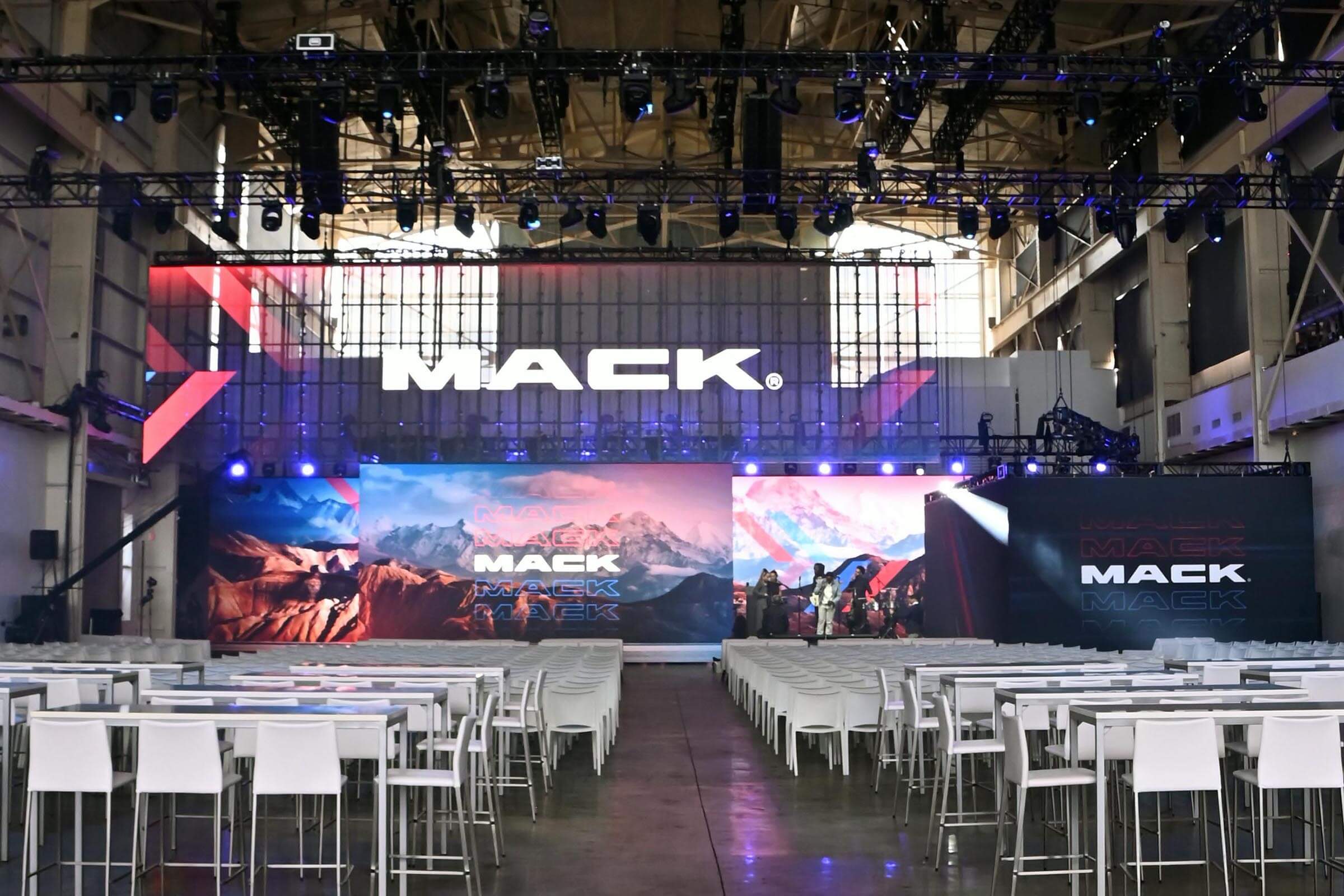
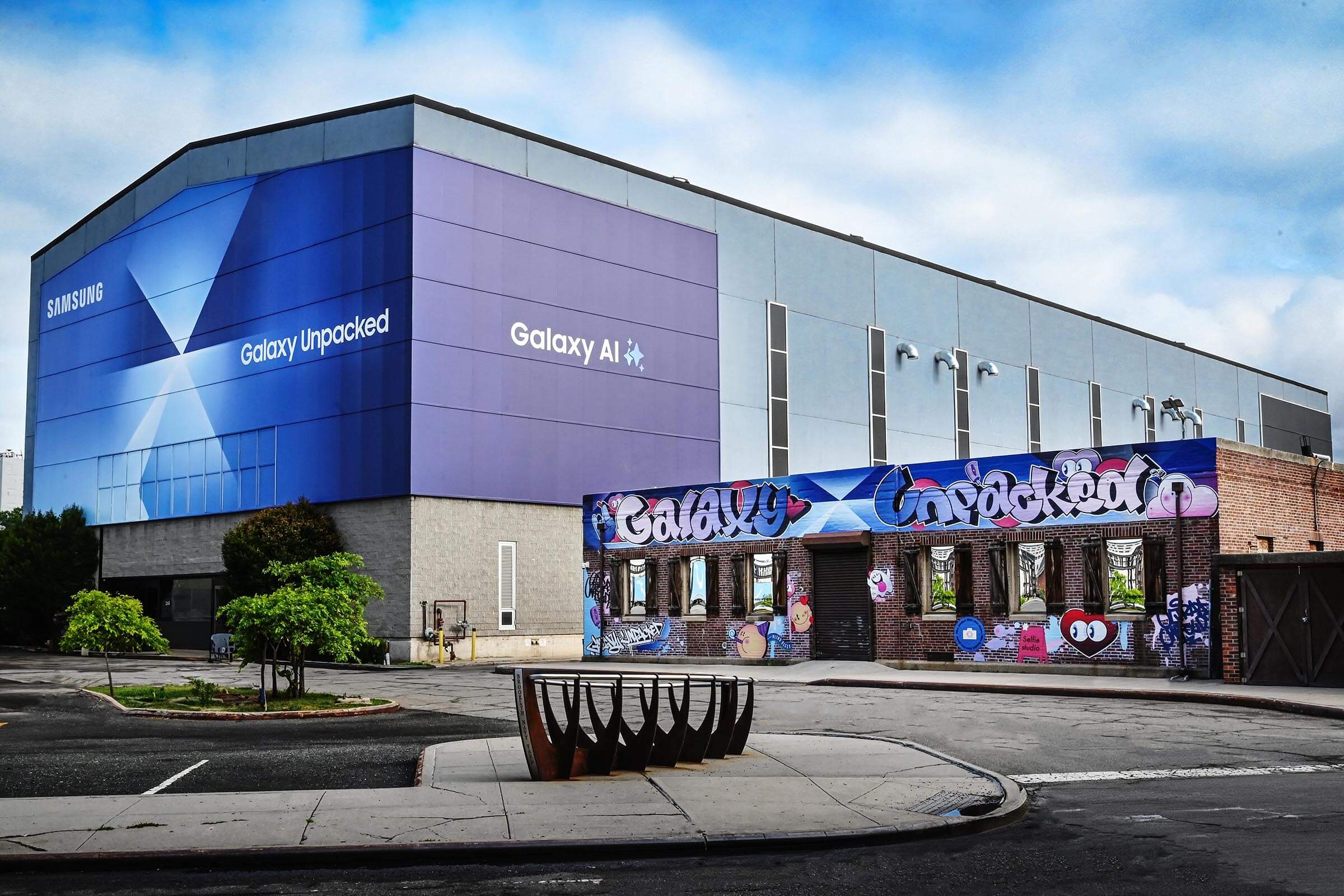
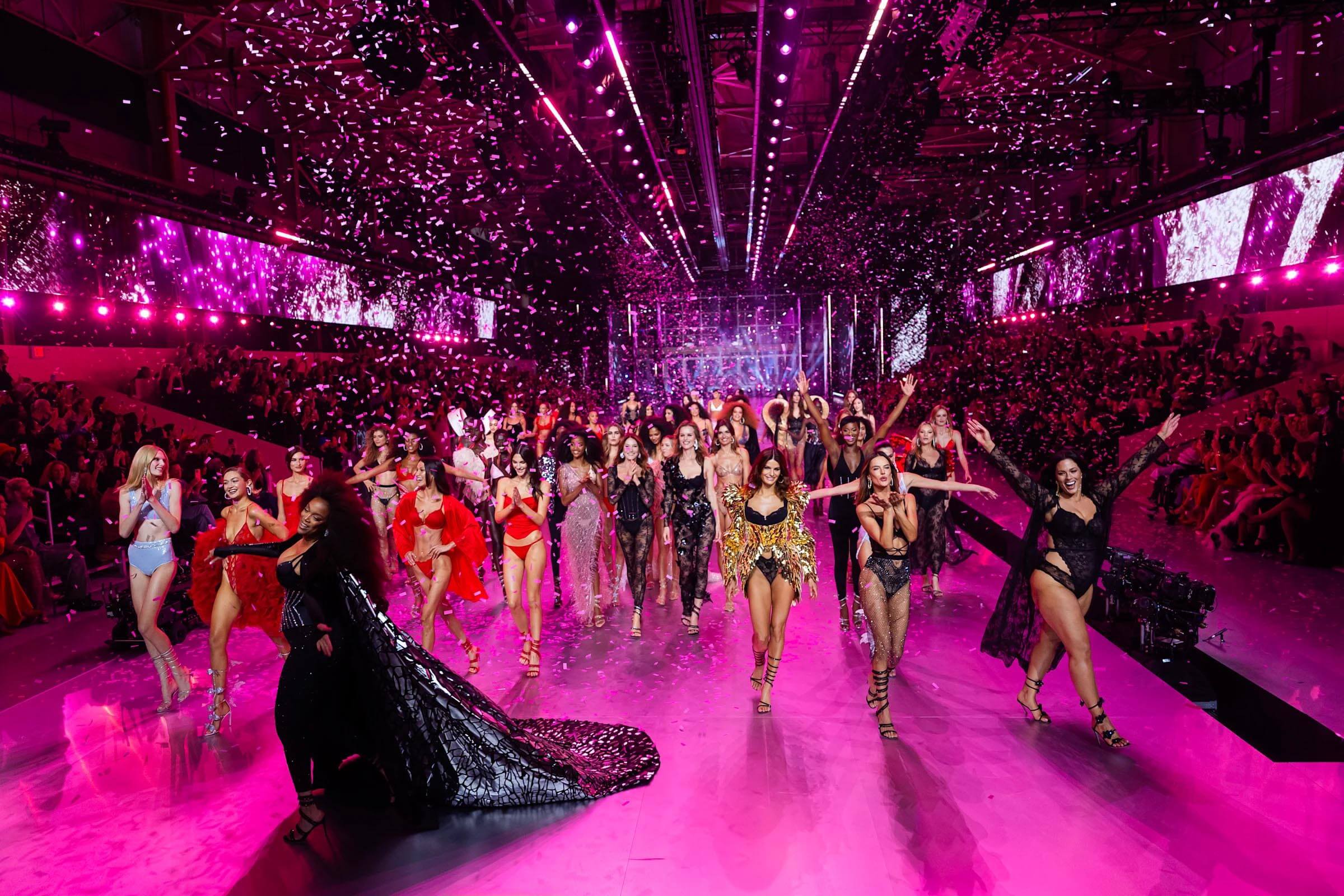
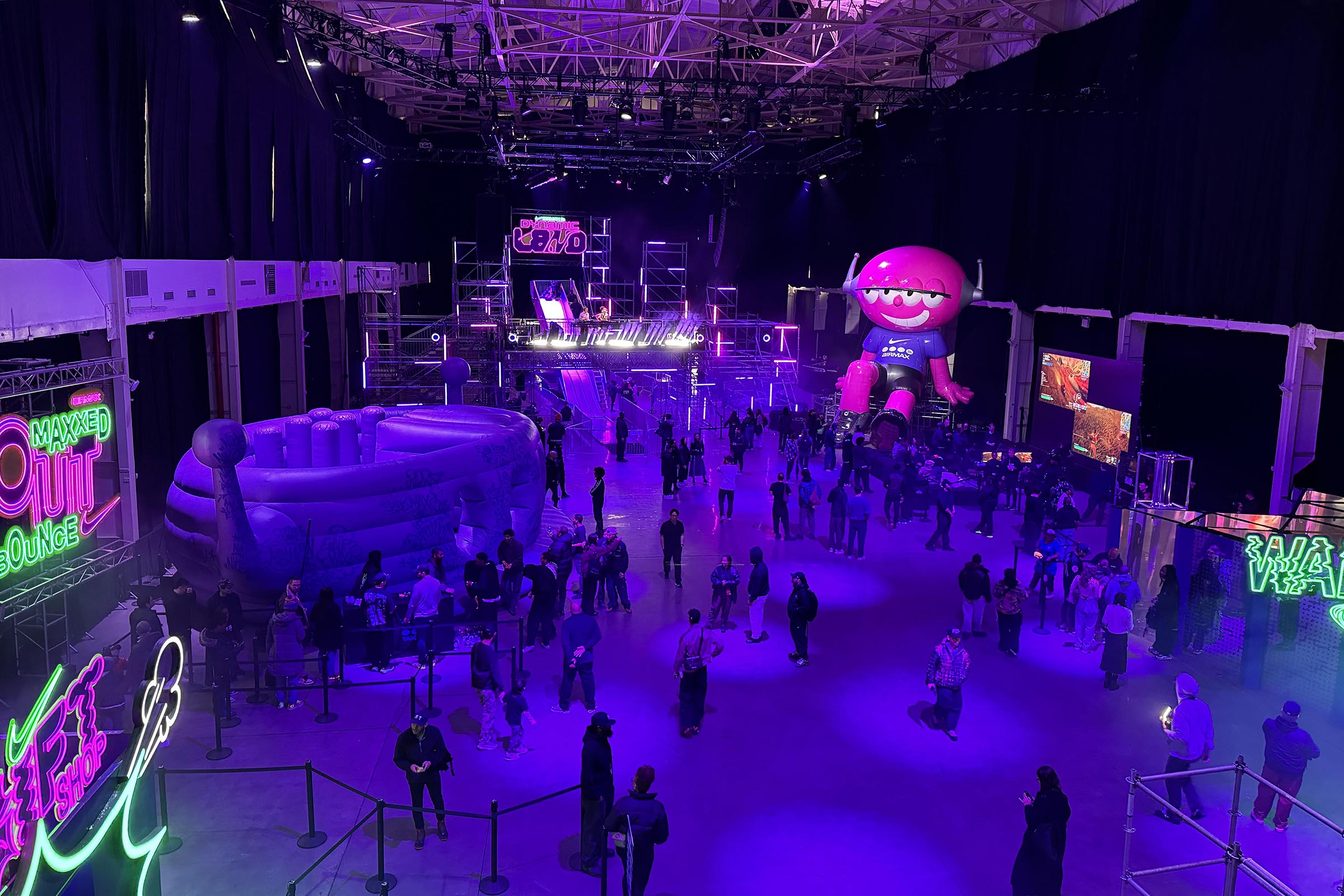
The Greenhouse quickly became the venue of choice for brands that think big. Victoria’s Secret chose it for their globally televised Fashion Show. Samsung built an immersive tech experience within its walls. Netflix transformed the entire space into the Stranger Things Experience. Mack Trucks staged a full-scale vehicle reveal, while Nike took over for Air Max Day.
From fashion shows and product launches to immersive brand activations, the Duggal Greenhouse has hosted some of New York’s most ambitious events.
The Greenhouse stands today as one of Duggal’s most personal and enduring legacies. It represents the belief that forgotten spaces can be reborn, that creativity deserves a home, and that community is built through shared experiences.
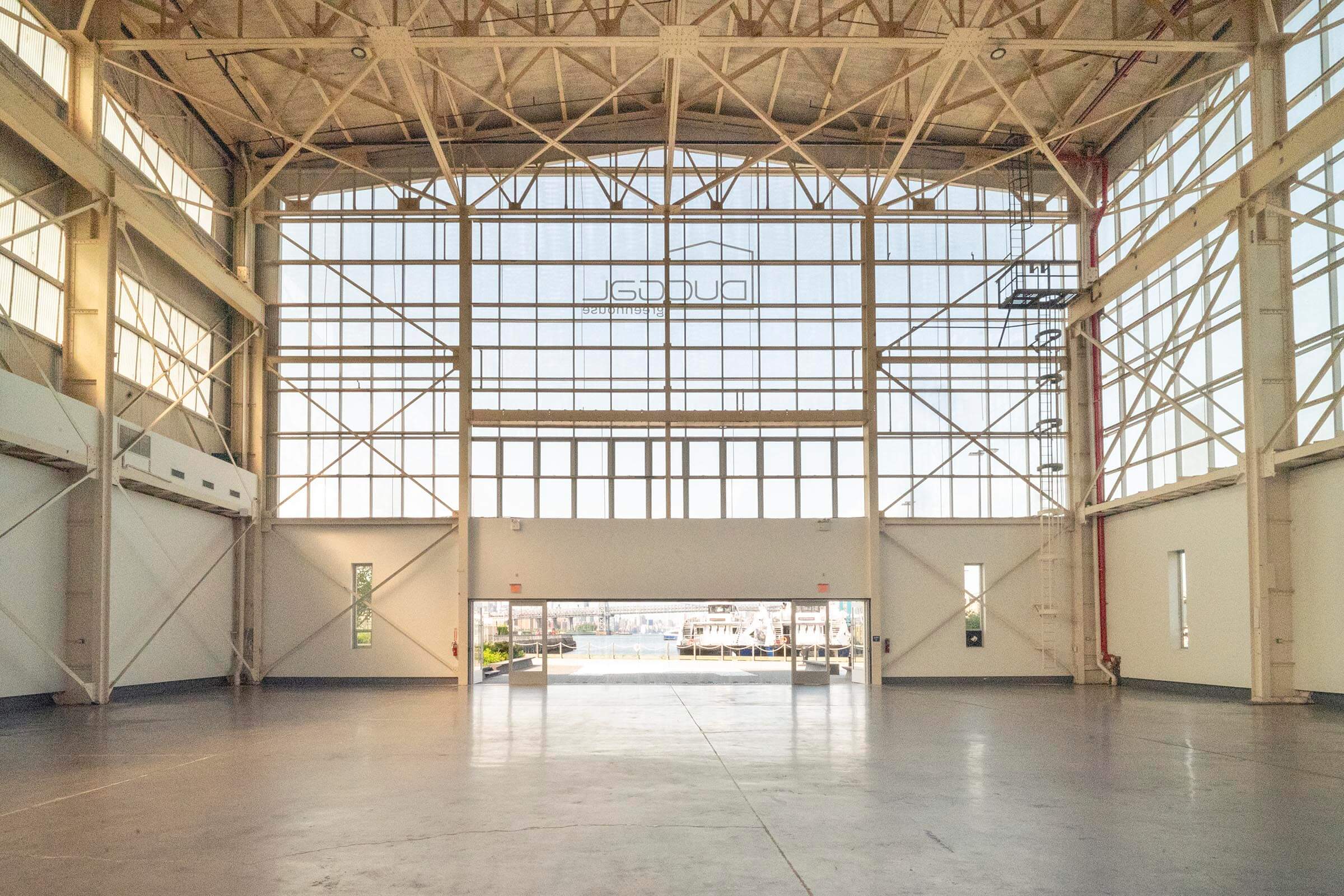
Its history as a WWII ship assembly building is still visible in its steel and scale. A “Never forget Pearl Harbor” inscription created by one of the welders remains visible in the rafters today—linking the building’s past to its present.
From hosting nationally televised debates to serving as a blank canvas for world-class brands, the Greenhouse has become a landmark not just for its architecture, but for its spirit. It stands as proof that when bold ideas meet a space willing to transform, impactful moments are created. Let the Greenhouse be the backdrop to your next defining moment. Let’s connect.
Location (63 Flushing Ave, Building 268, Brooklyn Navy Yard) | Venue Size (35,000 sq.ft.) | Capacity (up to 3,000 standing, 1,400 theater, 1,200 seated) | Ceiling Height (70 ft.) | Ideal For (fashion shows, product launches, corporate events, immersive experiences, film production, galas, concerts)